

School of Education - Research and Expertise



Impact and engagement
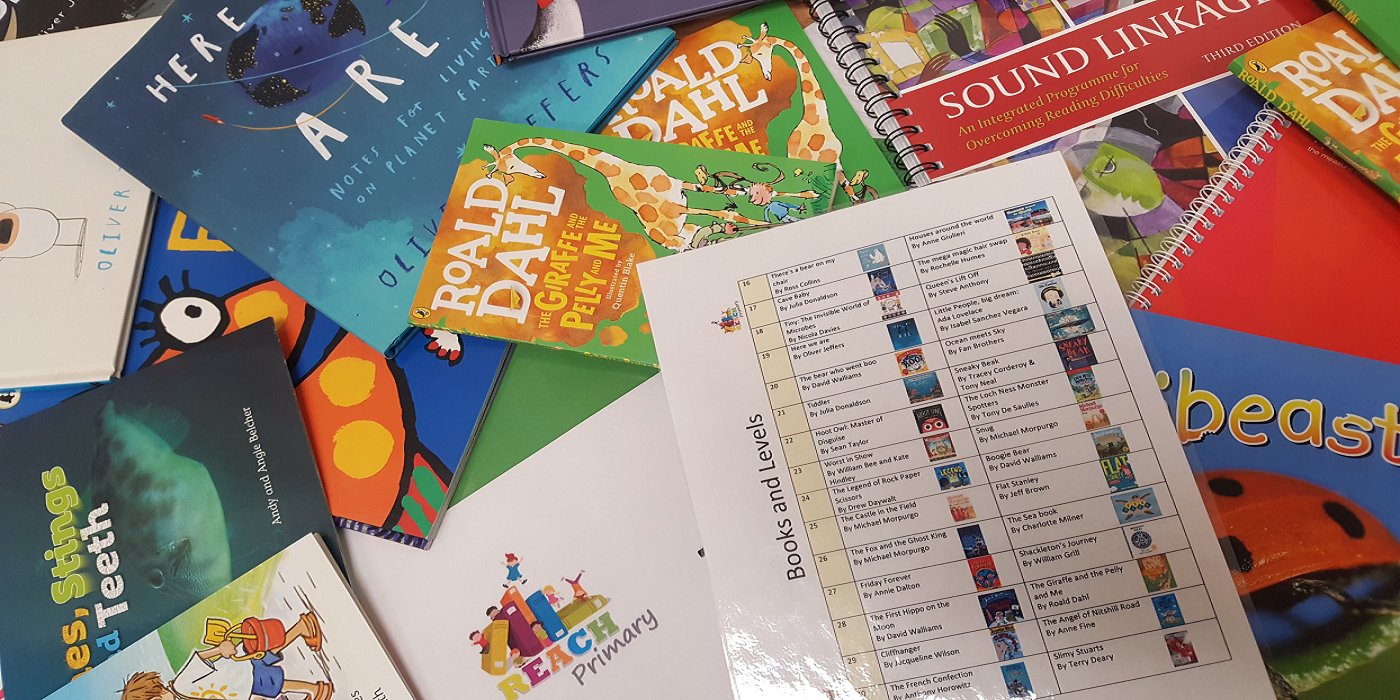
Our research helps to improve the lives and learning of children, young people and families in UK, European and global contexts.
More

Research centres and groups
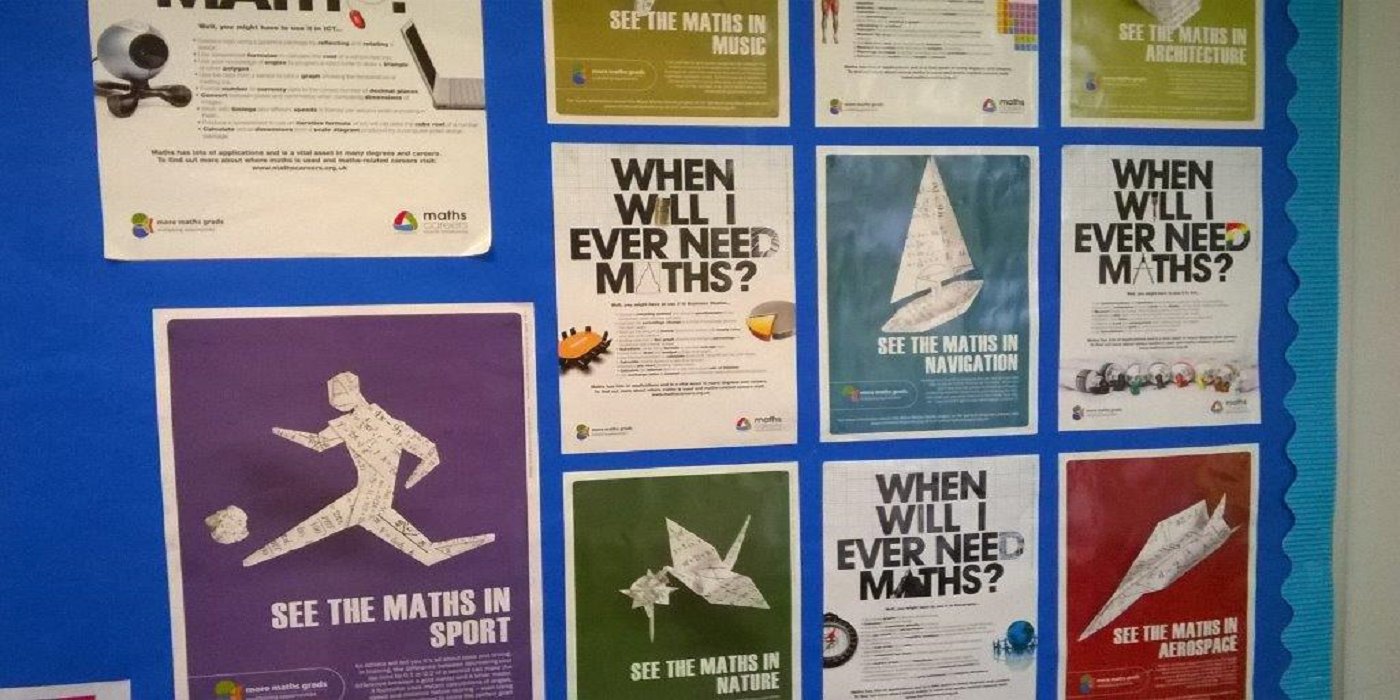
Our world-leading research is organised into four research areas, led by staff who are experts in their respective fields.
More
Supporting research
We are committed to supporting and developing our researchers at all stages of their career.
More
Research degrees
Join our postgraduate research community and pursue your passion with the support of our expert academics. Learn more about PhD and EdD research options.
More
Hillary Place Papers
An outlet for our postgraduate researchers to publish their work and share their ideas and innovations with the wider education community.
More
Hear from our postgraduate researchers
Find out what our postgraduate researchers think about our their experiences at Leeds and how their careers are developing.
More